The voice-over industry is growing by leaps and bounds as digital advertising and content creation are expanding. From radio ads to YouTube tutorials, e-learning platforms, podcasts, and even smart assistants—professional voices are everywhere. Once it was just a hobby for a few people, but now it has evolved into a full global career worth billions. This article will discuss how to start voice-over career.
If you’ve ever been told you have a “great voice” or you love storytelling, you might be considering how to start your career as a voice-over artist. While talent plays a role, becoming a great voice-over artist also requires proper training that can help you grow quickly. This in-depth guide will walk you through everything you need to know—from building skills and setting up a home studio to finding your first clients and creating a long-term career plan.
Let’s understand the voice-over industry.
Before we dive in, it’s important to understand the scope of voice-over work. A voice-over artist can lend his voice to different industries that include TV Ads, Radio Ads, and online advertisements for different platforms and websites. Audiobooks, Corporate Training, and E- learning recordings are released with the help of voice-over artists. Movie Dubbing and IVR Systems are other important places where a voice-over artist lends his voice. If you choose a niche the it can help you focus your efforts and sharpen the right skills. For example, audiobook narration needs stamina and clear storytelling, and commercial ads need more energetic voices. So you can choose your niche accordingly and start your career.
Step 1 – Develop Your Voice and Acting Skills
If you have a pleasant and natural voice, then it’s very helpful for you, but it is not enough. Voice-over artists are essentially voice actors—they must know how to interpret scripts, convey emotions, and connect with listeners.
Let’s get into some Practice Techniques to enhance our voice quality.
Breathing exercises: You should learn to control your breath for a relatively long time. For this, you can do some breathing exercises or yoga.
Diction Exercises: You can improve clarity in your voice by practising tongue twisters and enunciation.
Script Reading: Record a script always and listen to your own recording to analyse your voice quality and improve it with regular reading practice.
Emotion variation: Practice reading the same sentence in all different tones, like sad, happy, or excited. This will make you a more versatile voice-over artist.
Get Professional Training:
If you join any voice acting classes, workshops, or professional training, it can be a great help, as experienced professional voice-over artists will help you become a good voice-over actor. Many professional and highly experienced voice-over artists offer such professional training, so you should consider joining their training.
Step 2 – Invest in a Home Recording Studio
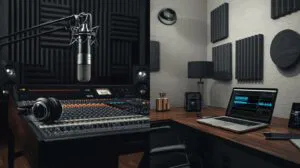
Now, the voice-over industry is shifting towards remote work and home recording. Most clients now expect you to deliver professional recordings from your home studio, as it is quick. For this, you need a home set up for your voice-over recording so that you can easily meet the project deadline and deliver the project on time.
Important Equipment:
Microphone: Buy a professional mid-range microphone that can deliver decent-quality recording. It doesn’t have to be expensive always. You can go for a mid-priced range mic.
Audio Interface: You should have an audio interface that connects your mic to your computer.
Headphones: You should have a pair of headphones that can help detect background noise.
Pop Filter: A Pop filter reduces harsh sounds (“p” and “s” noises). If you have it’s always better.
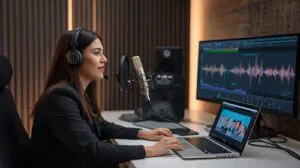
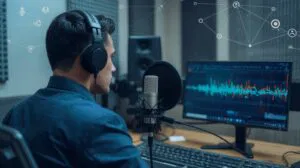
Recording Software: Go for Free tools like Audacity or advanced options like Adobe Audition to make your audio sound more professional and polished.
Your Space: You should choose a quiet room with minimal echo. You can add foam panels or carpets, or even blankets, to absorb sound to avoid echo in the room.
Step 3 – Create a Professional Demo Reel
You should do some recordings to show your clients as demo projects to gain their trust of clients. It’s the first thing clients listen to before hiring you. Keep your demos short (1–2 minutes). Showcase 4–5 different styles (commercial, narration, animation, corporate). Ensure high-quality recording—bad audio will overshadow your voice. Don’t edit your demo too much. Clients want to listen to your natural voice.
Step 4 – Build Your Online Presence
Your Online Presence: You need a personal and good-looking website where you can put your demos and showcase your skills. Have your social media active and keep posting some engaging content regularly, showing your expertise in the voice-over industry as a professional voice-over artist. You can also register yourself as a gig on some freelancing platforms like Fiverr and Upwork. You should also increase your social links through your LinkedIn account to attract new clients. Don’t forget to be consistent on social media.
Conclusion
Starting a voice-over career as an artist can be a little challenging initially, but with the right mentoring, it can be an exciting career. Under the guidance of an experienced mentor, you can train your voice, set up a simple home studio, and create a professional portfolio, and you’ll gradually get a lot of clients and grow in your career. Always remember, success requires consistent hard work and patience—but with consistency, patience, and the right mentoring, you can turn your passion into a successful career.